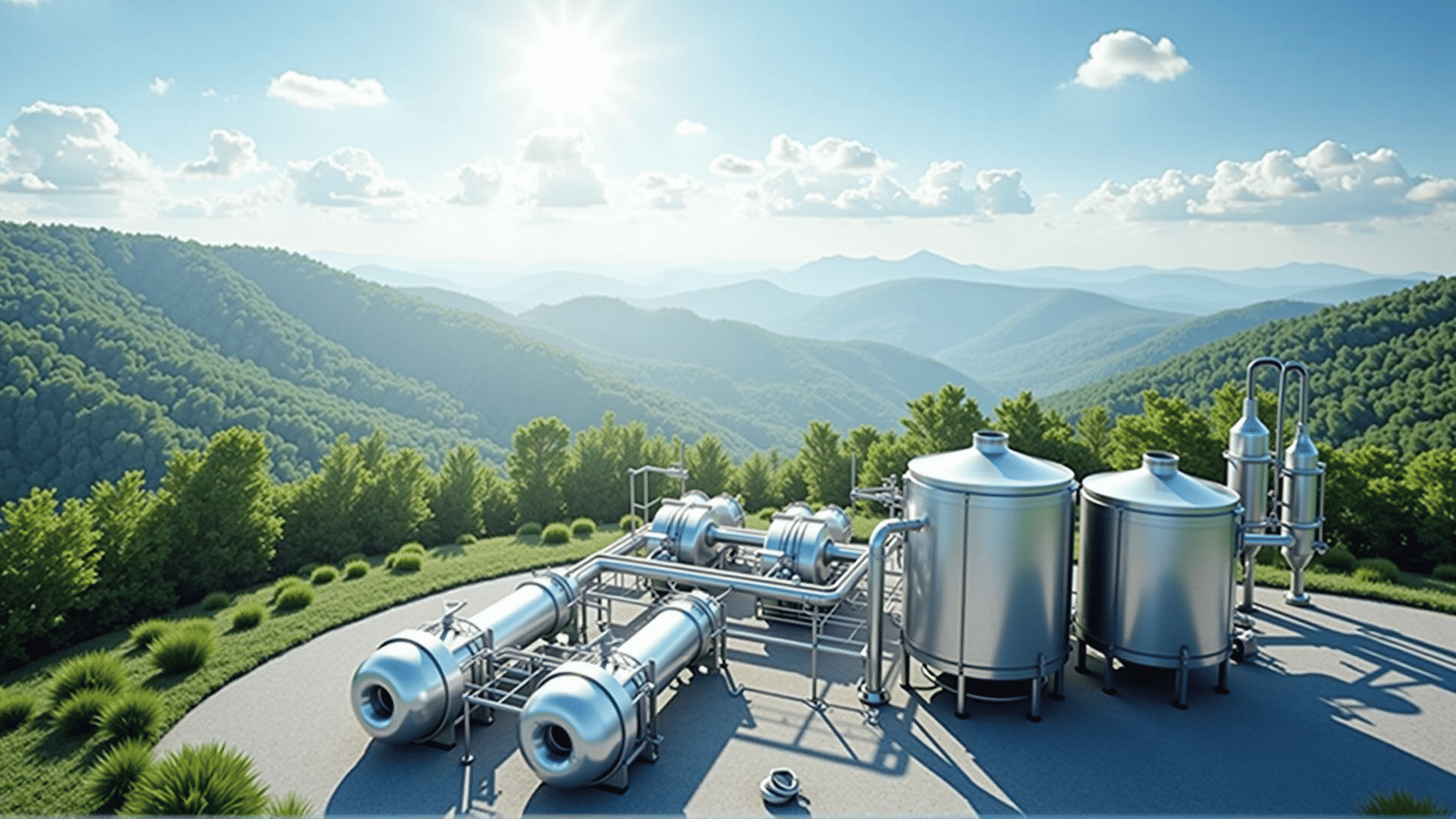
As concerns about climate change escalate, the urgency to explore effective solutions for reducing greenhouse gas emissions has never been greater. One promising arena of innovation is carbon capture, utilization, and storage (CCUS) technologies. These techniques are designed to capture carbon dioxide (CO2) emissions from industrial processes and energy generation, preventing them from entering the atmosphere. Recent advancements in this field are paving the way for more efficient and sustainable methods of managing carbon emissions.
Advanced Scrubbing Techniques
Traditional carbon capture systems often rely on chemical solvents to separate CO2 from industrial emissions. Recent innovations have enhanced these processes with advanced scrubbing techniques. These techniques involve the use of novel solvents that are more efficient and less energy-intensive. Ionic liquids, for example, are increasingly explored due to their unique properties, such as low volatility and high thermal stability. These liquids can capture CO2 at lower temperatures and pressures, thus significantly reducing energy consumption.
Solid Sorbents Development
Solid sorbents represent another revolutionary development in carbon capture. Materials such as metal-organic frameworks (MOFs) and zeolites are garnering attention due to their exceptionally high surface areas and ability to selectively adsorb CO2. The tunable nature of MOFs, for instance, allows scientists to engineer sorbents with tailored properties for specific industrial applications. These materials can be cyclically regenerated, ensuring a sustainable and cost-effective carbon capture process.
Direct Air Capture
Direct air capture (DAC) is gaining traction as a method to reduce atmospheric CO2 levels effectively. DAC systems use large-scale fans to draw air through filters coated with chemicals that capture CO2. The CO2 is then concentrated, purified, and stored or utilized. Innovations in DAC technology are rapidly improving its economic feasibility and scalability. By utilizing renewable energy sources, DAC facilities can operate sustainably, further enhancing their environmental benefits.
Biological Carbon Sequestration
Nature-based solutions are also a key component of cutting-edge carbon capture efforts. Biological sequestration, which involves leveraging natural processes to capture and store CO2, is gaining attention. Techniques include reforestation, afforestation, and soil carbon enhancement. Advances in biotechnology are enabling the development of genetically modified plants with enhanced capabilities to absorb and store carbon. These approaches not only reduce emissions but also restore vital ecosystems.
Carbon Utilization Innovations
Transforming captured CO2 into useful products is another avenue gaining momentum. Carbon utilization technologies convert CO2 into fuels, building materials, and chemicals, establishing a circular carbon economy. Advances in catalysts and reaction processes are improving the efficiency of these transformations. For example, researchers are developing methods to produce synthetic fuels and polymers using captured CO2, offering the potential to decouple economic growth from carbon emissions.
Integration with Renewable Energy
To truly minimize emissions, carbon capture systems are increasingly integrated with renewable energy sources. Hybrid systems harness solar and wind energy to power CCUS processes, significantly reducing their carbon footprint. This synergy not only enhances the sustainability of carbon capture techniques but also bolsters the expansion of renewable energy infrastructure worldwide.
The development and deployment of these pioneering carbon capture techniques reflect a crucial step in the global effort to combat climate change. As technology advances and becomes more cost-effective, the potential for widespread application grows, offering hope for mitigating the impacts of greenhouse gas emissions. By continuing to innovate and invest in these solutions, society can move towards a more sustainable and resilient future.